 Evimetra
Waking up on November 1st to clogged pores, fresh breakouts, and a dull grey tone is not a sign of bad skin. It is the predictable result of a specific set of conditions that most Halloween nights share.
What Actually Damages Your Skin on Halloween Night
Heavy face paint and thick costume makeup sitting on skin for six, seven, or eight hours is the starting point. Underneath a mask, wig, or latex prosthetic, skin cannot release heat or moisture normally, so sweat accumulates and mixes with the product sitting on the surface. Add several sugary cocktails and salty snacks — both of which affect hydration and inflammation — and then subtract a thorough cleanse at the end of the night, and the outcome is almost guaranteed: congestion and breakouts visible by morning.
The problem is not the party. It is the combination of occlusion, product load, diet, and incomplete removal, all compressed into one night.
The Recovery Sequence, Step by Step
The night itself determines how much damage control is needed the next day. An oil-based cleanser applied before bed lifts pigment and film-forming ingredients that water-based cleansers cannot dissolve. A second pass with a gentle, low-pH cleanser clears what the first step loosened. Skipping either step leaves residue in the pores overnight.
One to two days after, a mild exfoliation — not an aggressive scrub — can help clear the surface without adding more stress to already-compromised skin. Niacinamide applied at this point targets redness and uneven tone without irritating an already reactive barrier. Lightweight hydration is not optional: stripping or over-treating inflamed skin triggers compensatory oil production and extends the recovery window rather than shortening it.
The Guesswork Problem
Even with the correct routine, standing at the mirror the morning after gives unreliable information. Lighting conditions, puffiness, and subjective perception all distort the read. A measurement taken before the party and again the morning after produces numbers for pores, redness, hydration, and radiance — not impressions. That difference matters because it tells you whether you are actually recovering or simply looking at the same damage in better light.
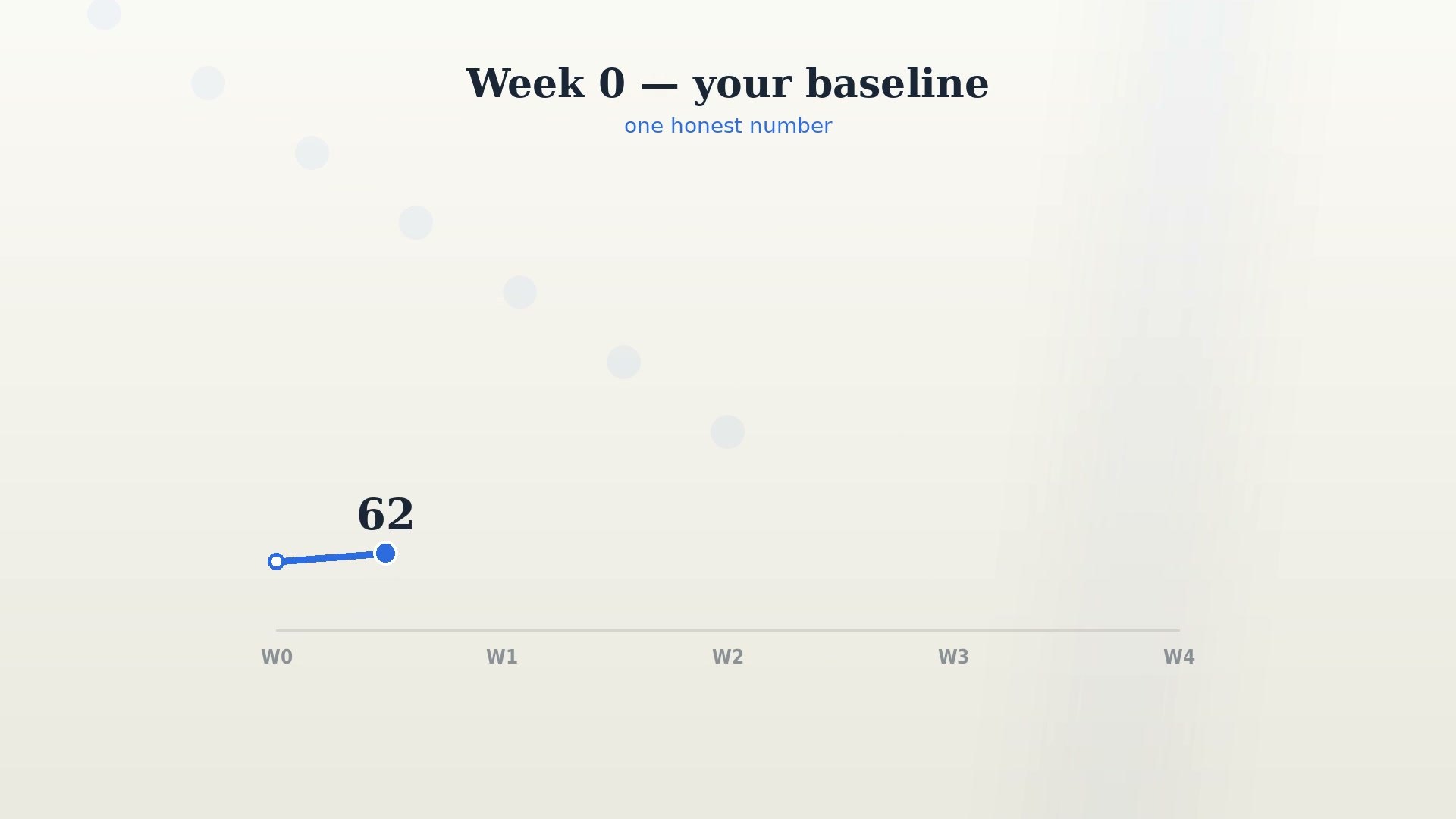
Evimetra captures a baseline photo of a skin area, then guides a re-capture under identical conditions — same distance, angle, light, and framing — and returns a 0–100 wellness index with a quantified verdict on change. Measuring skin before October 31st and again on November 1st is a practical way to identify which specific parameters shifted and in which direction.
When the Skin Is Recovering vs. When It Is Not
Most Halloween skin reactions resolve within three to five days when the right steps are followed the same night. If redness, congestion, or breakouts persist beyond that window, the skin barrier has likely been compromised enough to require a longer, lower-intervention approach: plain moisturizer, no actives, and time. Introducing multiple new products during this phase typically slows recovery rather than accelerating it.
The practical takeaway is that the night-of routine — particularly the double cleanse — carries more weight than anything applied the following days. Removing the cause completely and immediately is more effective than any repair protocol applied to skin that still has product residue sitting in it.
Key points
- Costume makeup worn for six to eight hours, combined with sweat trapped under masks and inadequate removal, is the primary cause of post-Halloween breakouts and congestion.
- An oil-based cleanser followed by a gentle cleanser the same night is more effective than any repair routine applied the next day.
- Niacinamide addresses redness and uneven tone without irritating a skin barrier that is already under stress.
- Aggressive exfoliation or stripping on already-stressed skin extends recovery time rather than shortening it.
- Measuring skin with a numeric index before and after Halloween removes the subjectivity of mirror assessment and identifies exactly which parameters changed.
Frequently asked questions
Why does skin break out the morning after Halloween?
Heavy costume makeup and face paint sit on skin for six to eight hours, trapping sweat and blocking pores, especially under masks or latex prosthetics. Combined with sugar and salt intake and incomplete makeup removal at night, this creates the exact conditions for congestion and breakouts to appear by morning.
What is the correct order for removing Halloween face paint?
Apply an oil-based cleanser first to dissolve pigment and film-forming ingredients, then follow with a gentle water-based cleanser to clear residue. Skipping the oil step leaves face paint in the pores overnight, which is the direct cause of next-day congestion.
Should I exfoliate my skin the morning after Halloween?
Wait one to two days before exfoliating, and use a mild formula rather than an abrasive scrub. Skin that has been under occlusion and product load all night is already stressed; aggressive exfoliation the next morning compounds that stress and can extend the recovery window.
How can I tell if my skin is actually recovering or if it just looks better in good light?
Mirror assessment is unreliable because lighting, puffiness, and perception all shift daily. A skin-measurement app like Evimetra captures a baseline before the party and re-measures the same area under identical conditions afterward, returning a numeric index for pores, redness, hydration, and radiance so recovery is quantified rather than estimated.
How long does Halloween skin damage typically last?
Most reactions — clogged pores, redness, dull tone — resolve within three to five days when a double cleanse is performed the same night and a low-intervention routine is followed afterward. Persistent symptoms beyond that window usually indicate barrier compromise, which responds better to plain moisturizer and reduced actives than to additional treatments.